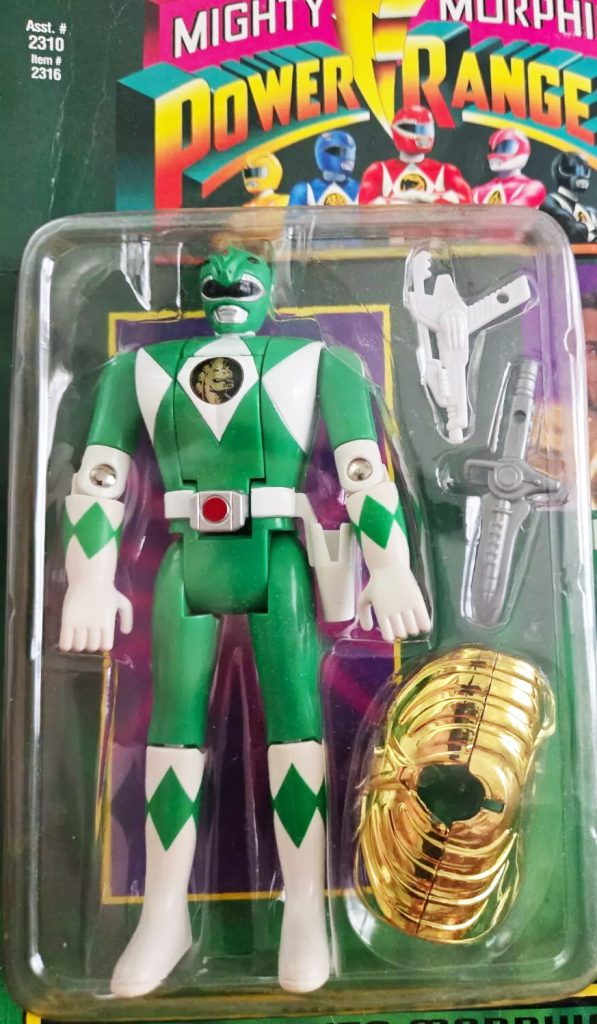
The 1993 debut of Mighty Morphin Power Rangers created a toy phenomenon that retailers hadn't seen since Cabbage Patch Kids. Parents fought over Megazords during holiday seasons. Bandai couldn't manufacture product fast enough. And a generation of kids learned that Japanese Super Sentai footage, dubbed and recut with American actors, could become appointment television.
For collectors today, MMPR toys present interesting challenges. The line's massive popularity means supply exists, but complete, mint examples of key pieces remain elusive. Understanding the Japanese connection, Bandai's various product tiers, and the condition issues specific to 1990s toys helps collectors make informed decisions.
The Super Sentai Connection
Like Transformers before them, Power Rangers toys have Japanese origins that affect collecting. Saban Entertainment adapted footage from Toei's long-running Super Sentai franchise, specifically Kyoryu Sentai Zyuranger (1992) for the first MMPR season. This explains why American toys often have Japanese counterparts with different names, paint applications, and sometimes superior quality.
Japanese vs. American Releases
Bandai Japan produced toys for Zyuranger before Bandai America adapted them for Power Rangers. Key differences collectors encounter:
- Paint applications: Japanese releases typically have more detailed paint work
- Die-cast content: Some Japanese versions include metal parts replaced with plastic in American releases
- Packaging: Japanese boxes feature different artwork and Japanese text
- Price points: Japanese versions can command premiums for superior quality, or less for lack of American nostalgia
For collectors primarily interested in the show they watched, American releases are the authentic experience. For those who prioritize toy quality, Japanese versions merit consideration.
The MMPR Toy Timeline (1993-1996)
1993: The Launch Frenzy
Initial releases included the 8" action figures with signature "flip-head" transformation feature, the Dino Megazord, and individual Dinozords. Demand vastly exceeded supply. Bandai scrambled to produce more product while retailers imposed purchase limits.
Key 1993 releases:
- 8" Flip-Head Rangers (all five original Rangers plus Green Ranger)
- Deluxe Dino Megazord (combining five Dinozords)
- Individual Dinozords
- 5" action figures (simpler, cheaper alternatives to 8" figures)
- Power Morphers and roleplay items
1994: Green to White and Expansion
Tommy's transition from Green Ranger to White Ranger drove new product. The White Tigerzord, Tor the Shuttlezord, and Thunder Megazord expanded the combining robot options. Bandai also released more figure variations and roleplay items as they caught up with demand.
1995: Movie Merchandise
The theatrical film brought movie-specific figures with updated suits, the Ninja Megazord, and Falconzord. Movie merchandise used slightly different designs reflecting the film's upgraded costumes. These releases are distinct from TV show product and appeal to different collectors.
1995-1996: Alien Rangers and Zeo Transition
Later MMPR product supported the Alien Rangers mini-series and transitioned into Power Rangers Zeo. While technically different series, these releases are often grouped with MMPR collecting.
The Megazord: Centerpiece of Any Collection
For most collectors, the Deluxe Dino Megazord represents the essential MMPR piece. Understanding its variations and condition issues matters.
Dino Megazord Variations
Bandai released multiple Megazord versions:
- Deluxe Dino Megazord: The full combining version with five separate Dinozords. This is what most collectors want.
- Dino Megazord (non-combining): A simpler, cheaper version that doesn't separate into individual Zords
- Limited editions and reissues: Various special releases over the years with different packaging or minor modifications
Completeness Matters
The Deluxe Dino Megazord includes numerous accessories and parts. A truly complete example has:
- All five Dinozords (Tyrannosaurus, Mastodon, Triceratops, Sabertooth Tiger, Pterodactyl)
- Power Sword
- Mastodon shield/chest piece
- Mammoth head attachment
- All connection parts and smaller accessories
- Original packaging (for MIB collectors)
Most loose Megazords are missing pieces. Verify completeness before purchasing—replacement parts exist but add cost and authentication concerns.
Condition Issues
MMPR toys face specific condition problems:
- Chrome wear: The chrome/silver finish on Megazord components chips and flakes with handling
- Joint looseness: Combining mechanisms wear out, causing Megazords that won't hold poses or stay combined
- Sticker condition: Original stickers peel and yellow; replacement stickers are available but affect value
- Red plastic fading: Some red plastics from this era fade to pink with UV exposure
Action Figures: The Flip-Head Decision
8" Flip-Head Figures
The signature MMPR figure design featured a head that flipped to reveal the morphed Ranger helmet. These figures represented individual Rangers in both civilian and Ranger forms through this simple mechanism.
Flip-head figures included cloth costumes over plastic bodies. These fabric elements are frequently damaged, faded, or missing in loose examples. The flip mechanism itself can break or become loose over time.
5" Figures
Simpler figures without the flip feature offered cheaper entry points. These are more durable but less distinctive. Multiple series with different sculpts and articulation levels were released.
Auto-Morphin Figures
Later releases included spring-loaded transformation features. These are fun but prone to mechanism failure over time. Working examples are more valuable than those with broken features.
Villain Figures and Vehicles
While heroes dominated sales, villain figures complete the MMPR universe:
- Lord Zedd: The intimidating second-season villain is a collector favorite
- Rita Repulsa: Less commonly found than Rangers
- Goldar: Multiple versions released across the line's run
- Putty Patrol: The expendable foot soldiers
Villain figures typically saw lower production numbers than heroes and can be harder to find in good condition.
Roleplay Toys
Power Morphers, Blade Blasters, and other roleplay items let kids act out morphing sequences. These items face their own collectibility considerations:
- Electronics: Many roleplay toys included lights and sounds that may no longer function
- Batteries: Old batteries left inside can leak and cause corrosion damage
- Wearability: Items meant to be worn (morphers, communicators) often show significant play wear
- Completeness: Power Coins and other small accessories are frequently missing
Identifying Reproductions and Bootlegs
MMPR's popularity spawned numerous knockoffs and unauthorized reproductions:
Contemporary Bootlegs
During the 1990s, unauthorized manufacturers produced cheap imitations. These typically have inferior plastic quality, poor paint applications, and simplified construction. They're usually obvious but occasionally surface in mixed lots.
Modern Reproductions
More concerning are modern reproductions of specific parts—weapons, Power Coins, accessories—sold as originals. Compare against verified examples and be skeptical of "mint" accessories sold separately from figures.
Legitimate Reissues
Bandai has periodically reissued MMPR products for anniversaries. These are legitimate products but aren't original 1993-1996 releases. Packaging differences usually distinguish reissues from originals.
Collecting Strategy
Define Your Focus
The MMPR line is extensive. Consider focusing on:
- Megazords only: The combining robots that define the franchise
- Specific Rangers: Your favorite character across different figure scales
- Complete team sets: All Rangers in matching figure lines
- Mint in box: Sealed examples for display
- Loose for display: Focus on condition rather than packaging
Condition Priorities
For displayed collections, prioritize:
- Tight joints that hold poses
- Complete accessories
- Intact stickers (or quality replacements)
- No chrome flaking on Megazords
- Working electronics (if applicable)
Price Expectations
MMPR toys remain available at various price points:
- Loose incomplete figures: Often inexpensive, good for parts or casual display
- Complete loose Megazords: Moderate prices for played-with examples
- Mint in box Megazords: Premium prices, especially for first-release packaging
- Rare variants and exclusives: Research specific items—some command significant premiums
Storage and Display
Handling Combining Toys
Megazords stress connection points when combined. For preservation, consider displaying individual Zords separately or using supports to reduce joint stress on combined forms.
Fabric Care
Flip-head figures with cloth costumes need protection from dust, which embeds in fabric. Enclosed display cases are recommended. Don't attempt to wash original fabric components.
UV Protection
The red and pink plastics common in MMPR toys are particularly susceptible to UV fading. Keep displayed items away from direct sunlight and consider UV-filtering display cases.
The Ongoing Franchise
Power Rangers continues today, with new seasons producing new toys annually. MMPR nostalgia drives periodic merchandise revivals, including the Lightning Collection figures aimed at adult collectors. These modern releases don't diminish original MMPR toys' value but do provide alternatives for those more interested in character representation than vintage authenticity.
Conclusion
Mighty Morphin Power Rangers toys defined 1990s action figure collecting for many fans. The combination of transforming heroes, combining robots, and multimedia synergy created a phenomenon that still resonates. For collectors, the challenge is finding quality examples of toys that were often heavily played with, identifying reproductions in a market full of replacement parts, and deciding which pieces truly matter to your collection.
Start with what you loved—whether that's the Megazord you wanted as a kid or the complete Ranger team. Build knowledge before making significant purchases. And remember that a well-curated collection of pristine pieces often satisfies more than a complete but damaged assemblage.
For other 1990s toy lines, explore our 1990s toys category. For Japanese-origin toys from the previous decade, see our guides to Transformers G1 and Voltron.