Why This Resource Exists
The golden age of action figures—spanning roughly 1977 to 1999—produced some of the most innovative, culturally significant toys ever made. But as these items age, collecting them becomes increasingly complex. Which variants command premiums? How do you spot reproductions? What storage methods prevent degradation?
Action Figure Helper was created to answer these questions with authoritative, experience-based guidance. Our lead contributor, Geronimo S., has spent over 30 years collecting, restoring, and researching vintage action figures. What started as childhood passion evolved into systematic documentation of toy history, manufacturing variations, and preservation techniques.
This site focuses specifically on the 1980s and 1990s—the era when action figures exploded as both playthings and pop culture artifacts. We cover the major toy lines that defined the period, the cartoons and media that drove sales, and the practical knowledge collectors need today.
Understanding the Vintage Action Figure Market
The Evolution of Collectibility
When Kenner's Star Wars figures debuted in 1977-1978, few imagined kids' toys would become serious collectibles. The 1980s changed everything. Companies like Hasbro, Mattel, and Kenner didn't just sell toys—they built interconnected universes through figures, vehicles, playsets, and animated series.
Today, vintage action figures occupy a unique space in collecting. Unlike fine art or antiques, their value derives from multiple factors:
- Nostalgia demand: Adults in their 40s and 50s seeking childhood memories
- Manufacturing scarcity: Limited production runs, regional exclusives, and discontinued lines
- Condition sensitivity: Packaging, accessories, and intact action features dramatically affect value
- Media connections: Figures tied to successful cartoons, films, or comics maintain stronger markets
- Engineering innovation: Transformation mechanisms, combining features, and unique materials create lasting appeal
Common Collecting Pitfalls (And How to Avoid Them)
New collectors frequently make expensive mistakes. Based on decades of community observation and personal experience, here are the most common issues:
Overpaying for incomplete sets. A G.I. Joe USS Flagg might seem like a steal at $200—until you realize it's missing 47 accessories, has broken railings, and needs $150 in parts. Always verify completeness against original inventories.
Ignoring reproduction parts. The vintage toy reproduction market has exploded. Missiles, weapons, and even entire figures can be convincing fakes. Learn to identify original tooling marks, plastic composition, and paint application differences.
Improper storage destroying value. Attic heat warps plastic. Basement moisture causes mold. Direct sunlight fades colors. Rubber deteriorates when touching certain plastics. Proper storage isn't optional—it's essential for preservation.
Assuming all variants are valuable. Not every color swap or minor change commands premiums. Understanding which variations matter requires research into production history and collector demand.
What Makes Our Guides Different
You'll find plenty of action figure content online. Most falls into three categories: auction listings, fan wikis, or nostalgic reminiscences. We've built something different.
Practical, Actionable Information
Every article includes specific guidance collectors can use immediately. We explain which accessories to verify, common condition issues for each line, and storage recommendations based on materials science. Theory matters less than practice—if it doesn't help you buy, sell, display, or preserve better, we don't include it.
Manufacturing and Design Context
Understanding why toys were designed certain ways helps collectors make informed decisions. We explore the engineering compromises, cost-cutting measures, and production innovations that shaped each line. This context reveals why some figures break easily, why certain years used different plastics, and which features were shared across manufacturers.
Interconnected Toy Line Analysis
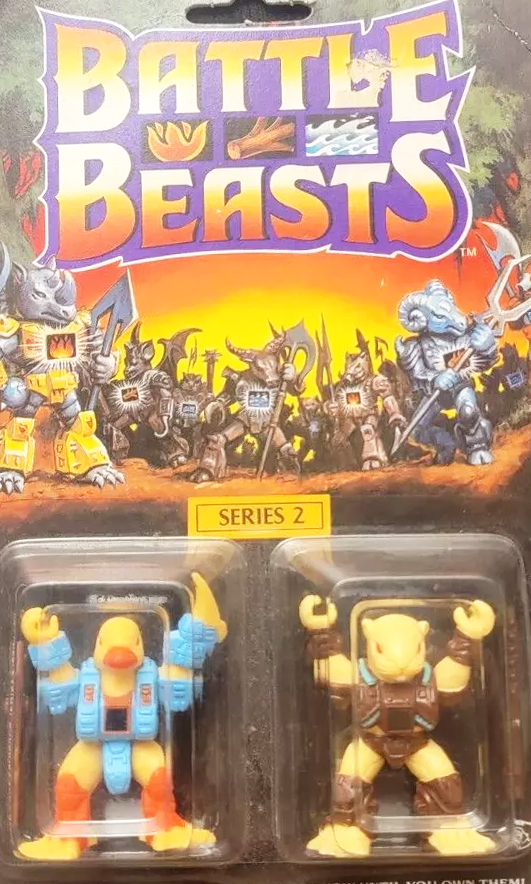
The 1980s toy industry was remarkably incestuous—molds, ideas, and even entire lines migrated between companies and countries. We trace these connections, showing how Takara's Diaclone became Hasbro's Transformers, how Battle Beasts emerged from Japanese markets, and why certain figure scales became industry standards.
Honest Assessments
Not every vintage toy line was good. We discuss quality issues, disappointing playsets, and figures that haven't aged well alongside the classics. Collecting should be informed by realistic expectations, not just nostalgia.
How to Use This Resource
Our content is organized around three main approaches:
By Decade and Era
Browse our 1980s Toys and 1990s Toys sections to explore specific time periods. The 80s brought muscular sculpts, action features, and cartoon tie-ins. The 90s shifted toward articulation, collector focus, and darker aesthetics. Understanding these trends helps identify figures and assess era-appropriate expectations.
By Media and Cartoons
Many collectors focus on specific franchises. Our Cartoon History section examines how animated series drove toy sales—and vice versa. These articles connect screen storytelling to product development, showing which came first and how each influenced the other.
By Specific Toy Lines
Deep-dive articles on major lines provide comprehensive collecting guidance. Each covers history, key releases, condition concerns, and current market positioning. Browse our complete guides section to see all available articles.
What to Explore First
If you're new to vintage action figure collecting, we recommend starting with these foundational articles:
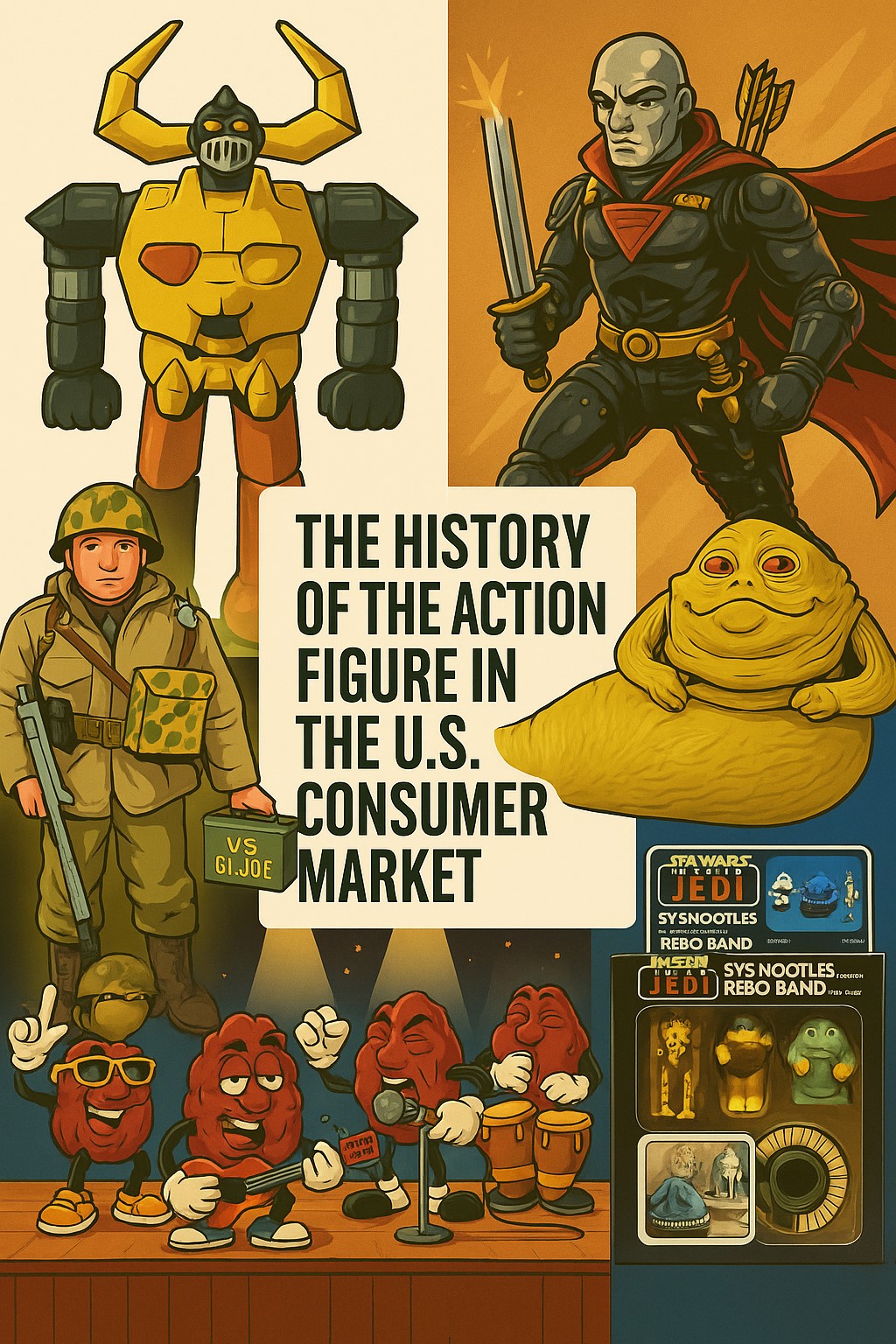
- The History of Action Figures in America - Understand the broader context and how the industry evolved
- Battle Beasts Collecting Guide - Heat-reveal emblems and what collectors need to know
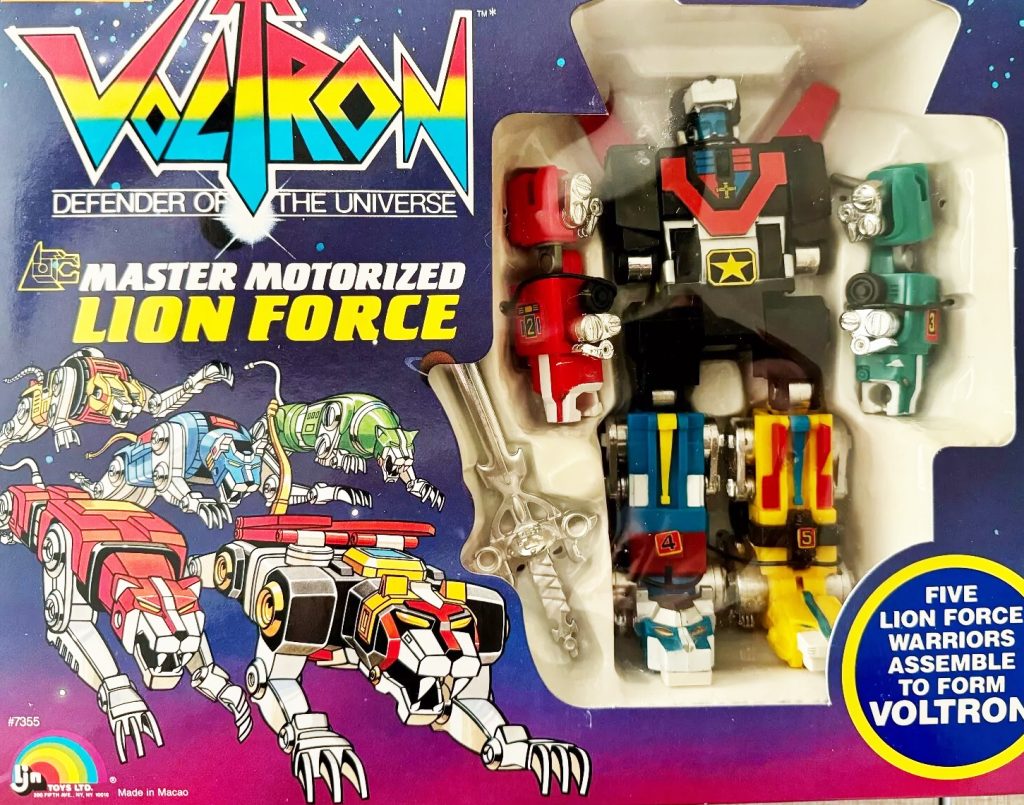
- Voltron Toys History - Combining robot phenomenon and collectibility
Browse our 1980s category for more classic lines, or check back regularly as we add new comprehensive guides.
Frequently Asked Questions
Are vintage action figures good investments?
Some are, but collecting purely for investment usually disappoints. The strongest markets exist for mint-condition, complete items from the most popular lines. Loose figures, common variants, and damaged items rarely appreciate significantly. Collect what you enjoy—if it increases in value, consider it a bonus.
Should I keep figures in packaging?
For maximum resale value, yes—but with caveats. Old packaging deteriorates (cardback yellowing, bubble discoloration, tape failure). If you're collecting for yourself rather than speculation, many collectors prefer displaying loose figures properly to watching sealed packages degrade.
How do I determine if accessories are original?
Compare plastic composition, color matching, tooling marks, and paint application against verified original examples. Our line-specific articles include common reproduction warnings. When in doubt, consult collector communities focused on specific lines—they've extensively documented reproductions.
What's the best way to clean vintage figures?
Gentle methods only. Lukewarm water, mild soap, and soft brushes for most plastic. Avoid harsh chemicals that strip paint or degrade plastic. Never submerge figures with stickers or electronic components. Air dry thoroughly before storage.